Fraud Detection Isn't a Classification Problem
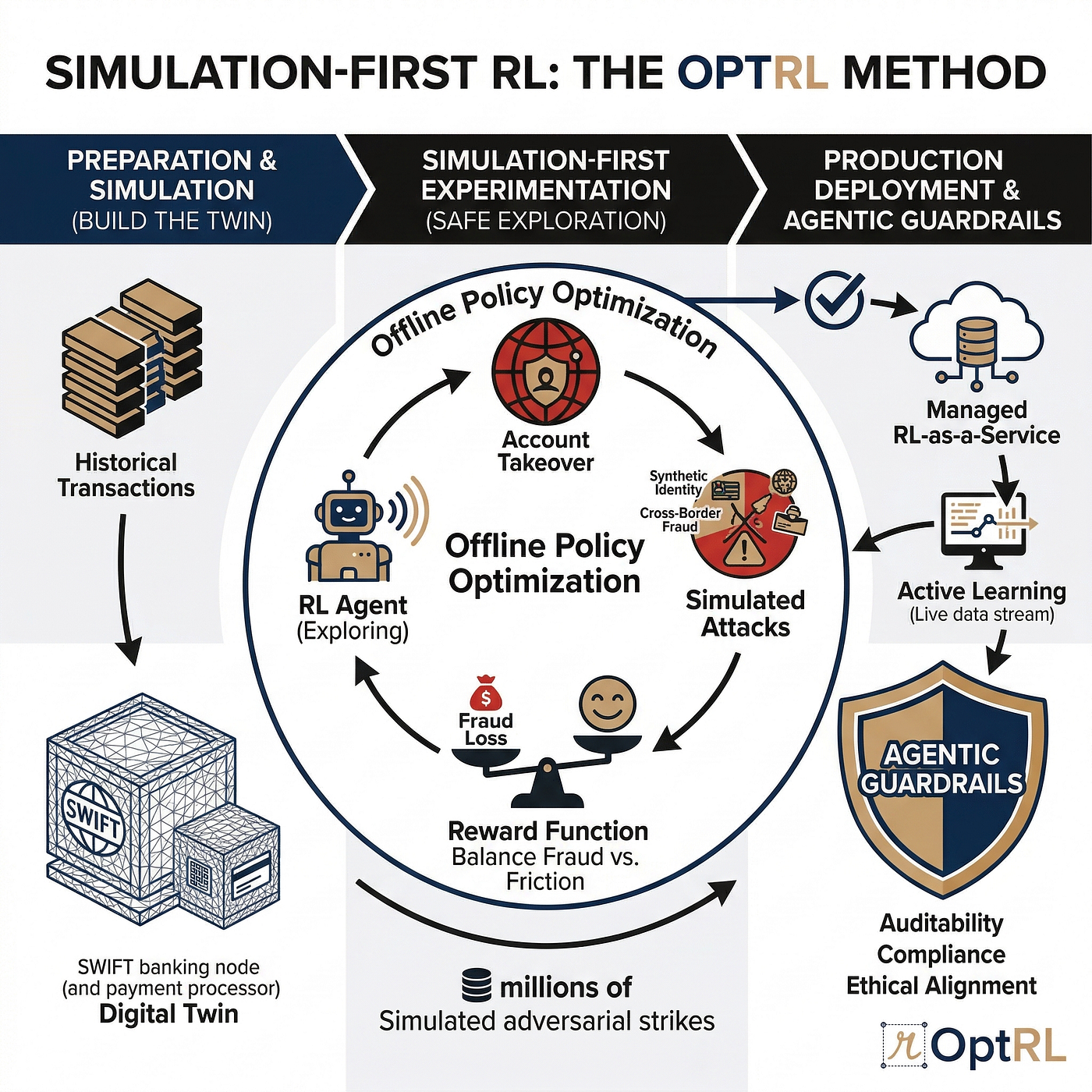
Why treating fraud as a binary yes-or-no is costing enterprises billions in lost revenue and customer trust, and why adaptive agents are the only way to win.
Practical perspectives on enterprise reinforcement learning, simulation design, RLOps infrastructure, and adaptive decision systems.

Why treating fraud as a binary yes-or-no is costing enterprises billions in lost revenue and customer trust, and why adaptive agents are the only way to win.

Semiconductor companies are racing to pack more computing power into smaller devices, but thermal throttling is quietly costing performance, safety, and money. Here's how adaptive RL control fixes it.

As electric fleets scale, charging them efficiently becomes a sequential, stochastic optimisation problem that static heuristics can't solve. Here's why reinforcement learning is the answer.

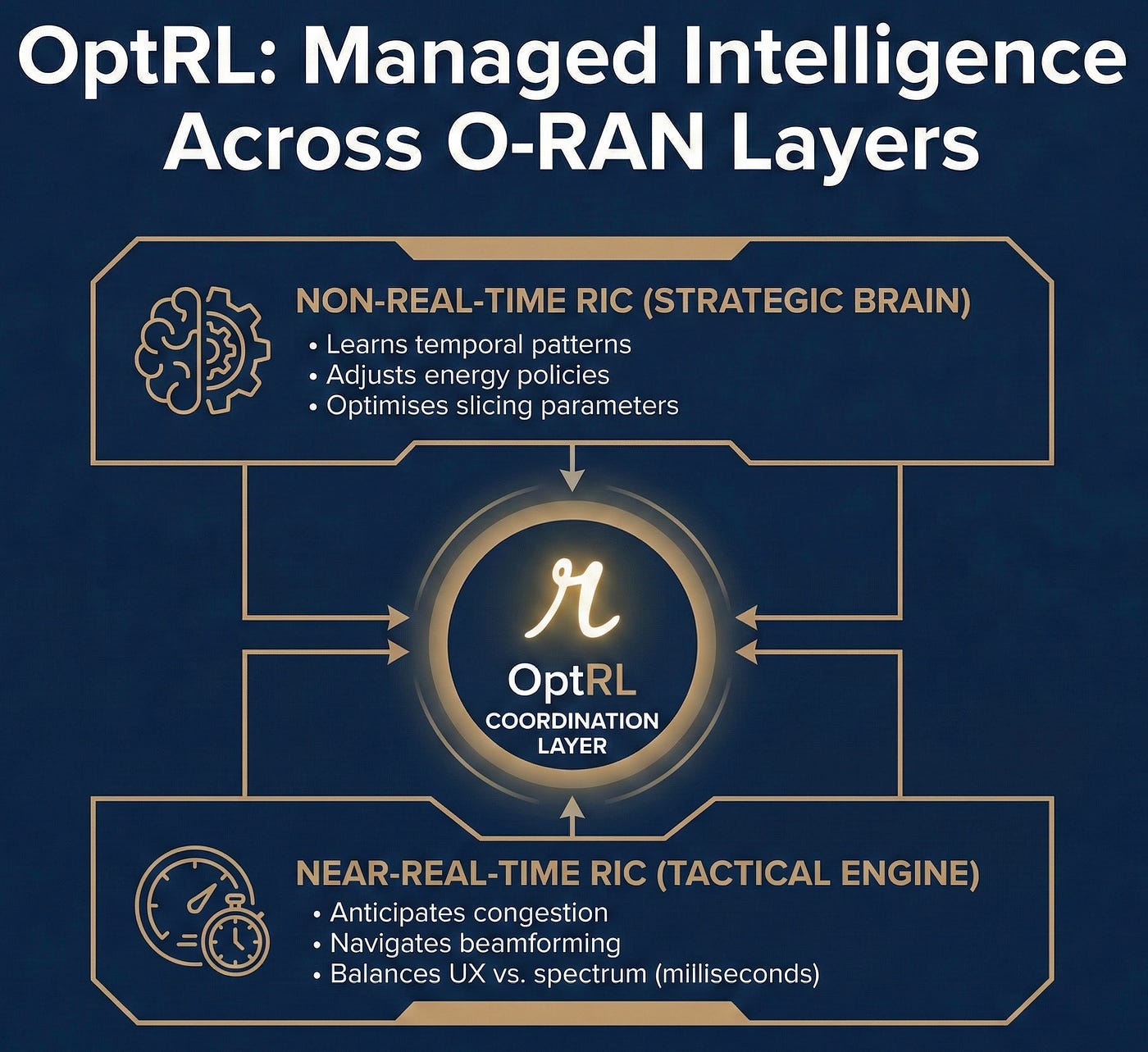
Open RAN delivered architectural flexibility and vendor diversity, but control alone does not equal optimisation. Why next-generation networks need a coordinated learning system, not a collection of independent optimisation apps.

We have built systems that can explain the world with terrifying accuracy. Now, we need systems that can actually change it.

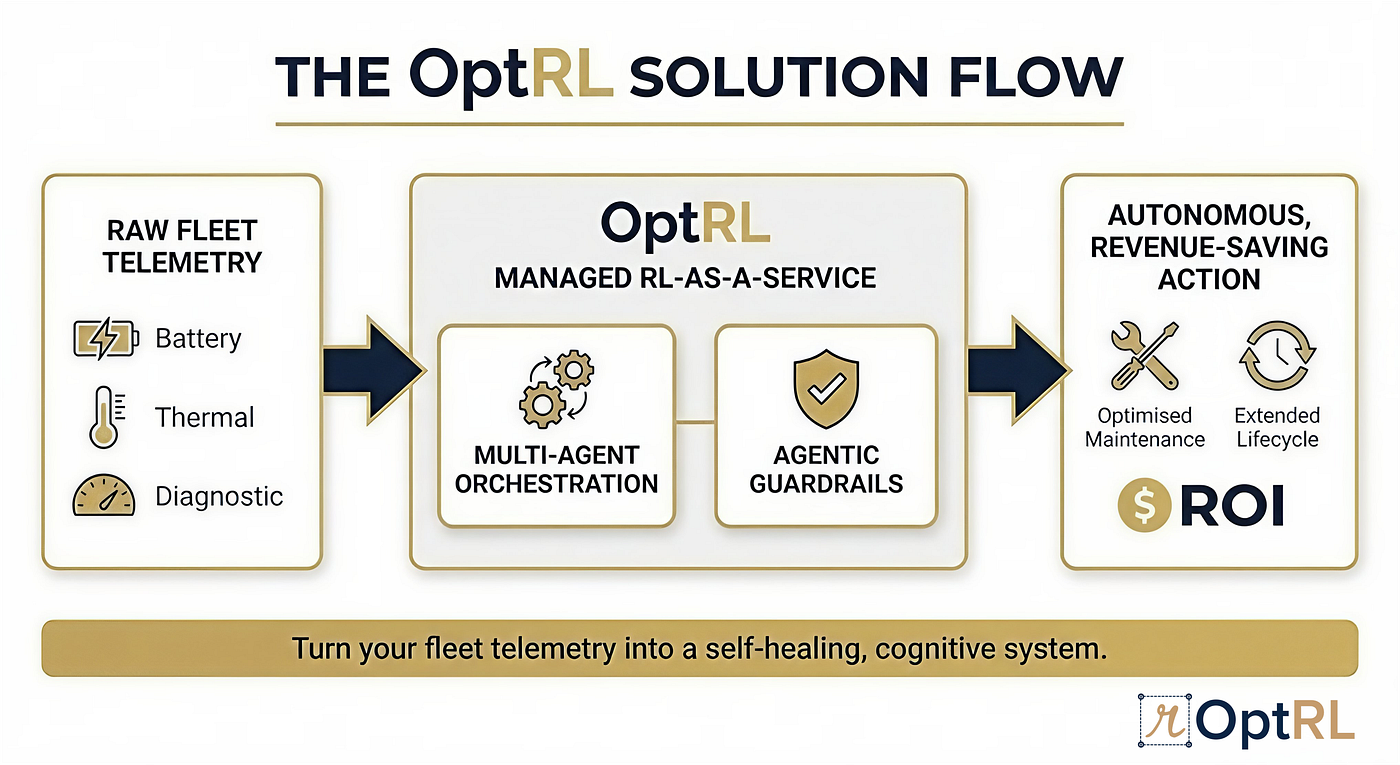
Unplanned downtime is not just an operational inconvenience. It is a silent financial drain.

You can't learn to ride a bike by reading a physics book. Similarly, an AI agent can't learn to optimise a warehouse or manage a power grid just by looking at historical data.

Optimisation has a problem. It often assumes the world stands still.
Reinforcement Learning in Enterprise: Common Questions Answered